Facebook Marketing for Small Business: The Complete Guide
Facebook marketing for small business doesn’t require big budgets or a dedicated marketing team. What it does require is understanding how the platform actually works today, not how it worked five years ago. We’ve managed Facebook pages for small businesses across retail, services, and e-commerce, and we’ve seen the same pattern repeatedly: businesses post consistently but see minimal reach, then assume Facebook is dead or that they must pay for ads to be seen.
That’s not true. While organic reach has declined, Facebook still offers small businesses the best opportunity to build community and drive sales without significant ad spend. The difference between pages that grow and pages that stagnate isn’t budget—it’s strategy. This guide covers everything we’ve learned from managing pages that grew from a few hundred to tens of thousands of engaged followers, including the mistakes that cost us reach and the tactics that consistently work.
Understanding Facebook Today
Before implementing any tactics, you need to understand what Facebook rewards in its current form. The platform has shifted from prioritizing content from friends and family to prioritizing content that keeps users engaged, regardless of who posted it.
Facebook’s algorithm now operates on what they call “meaningful interactions.” This isn’t marketing jargon—it directly impacts whether your posts get shown. The algorithm assigns value to different types of engagement:
- Low value: Someone scrolls past your post without stopping
- Medium value: Someone pauses to read or watches for a few seconds
- High value: Someone comments, shares, or replies to another comment
- Highest value: A conversation develops in the comments with multiple back-and-forth replies
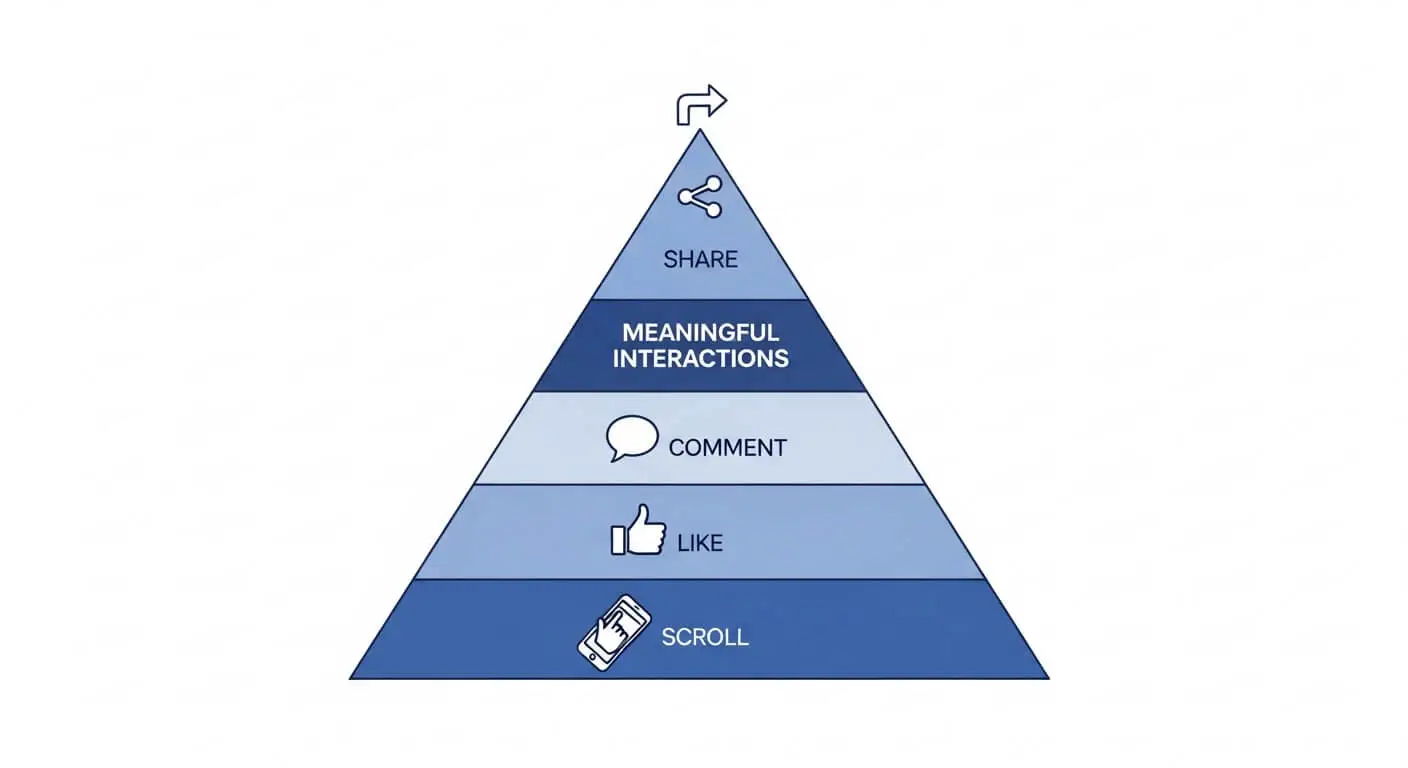
When Facebook detects high-value interactions, it interprets this as a signal that your content is worth showing to more people, including those who don’t follow your page yet. This is why a post with 20 thoughtful comments often outperforms a post with 100 likes but no comments.
The platform has also shifted heavily toward video, particularly short-form vertical video. This isn’t a temporary trend—Facebook is competing directly with TikTok for attention, and they’re actively boosting video content to keep users on the platform longer. Pages that adapt to this reality see significantly better reach than those posting only static images and links.
Understanding this fundamental shift changes your approach. Instead of asking “How do I get more followers?” you should ask “How do I start more conversations?” The follower count becomes a byproduct of creating content that sparks discussion, not the primary goal.
Setting Up for Success
Most small businesses set up their Facebook page once and never revisit the settings. This is a missed opportunity. A properly optimized page performs better in search, both on Facebook and Google, and converts more profile visitors into followers.
Start with your page basics. Your page name should clearly state what you do and where you do it if you’re local. “Sarah’s Bakery” is less effective than “Sarah’s Bakery – Chittagong” for local discovery. Your username (the @ handle) should match your business name as closely as possible and be consistent across platforms.
Your About section is critical for Facebook’s internal search. Include your primary services, location, and what makes you different—but write it for humans first, not search engines. A natural description like “We help small businesses in Bangladesh with affordable digital marketing, including Facebook management, website design, and SEO” works better than keyword stuffing.
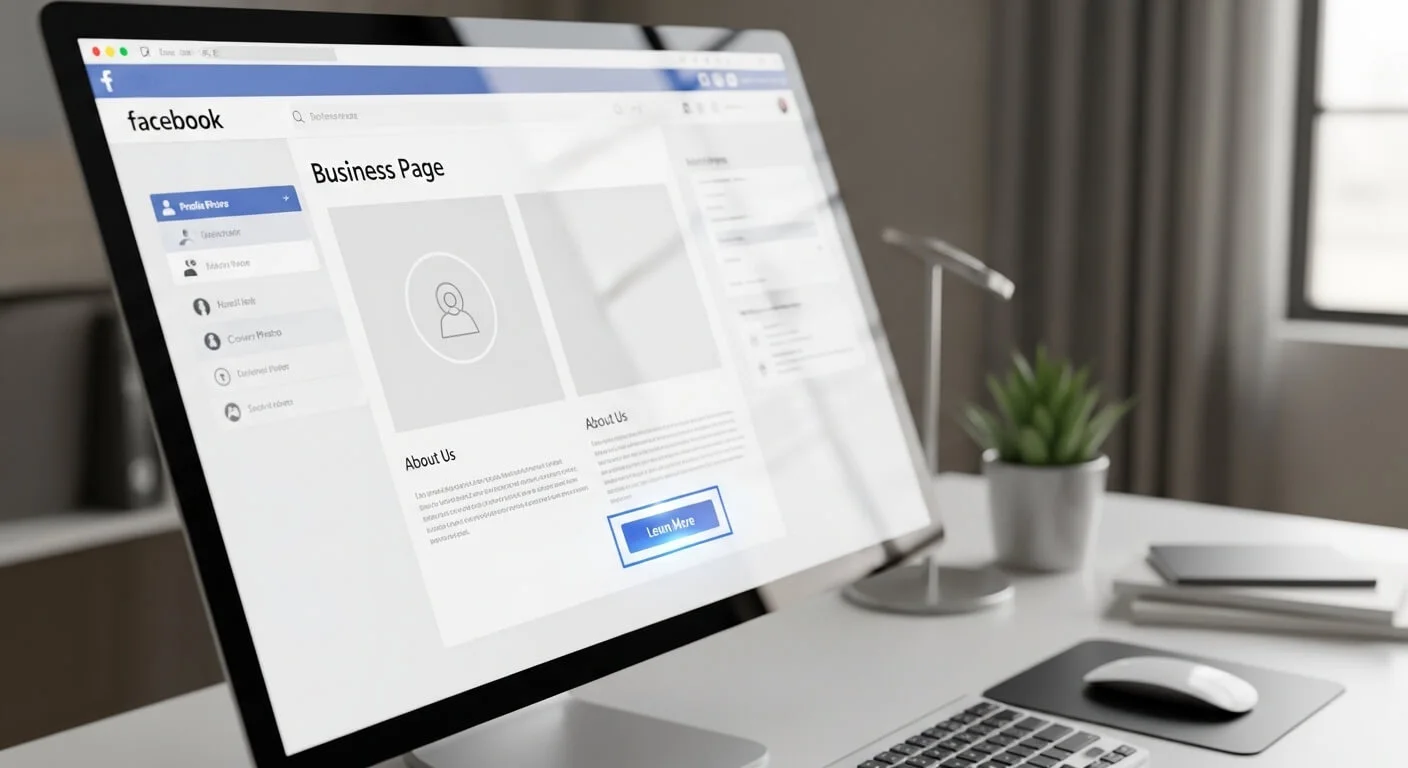
The action button on your page should align with your primary business goal. If you want phone calls, use “Call Now.” If you want website visits, use “Learn More” or “Shop Now.” Test different buttons and track which drives more valuable actions.
Your profile picture should be your logo, clear and readable even at small sizes. Your cover photo is prime real estate—use it to showcase your work, display your contact information, or highlight a current offer. Update it seasonally to keep your page looking active.
Enable messaging and respond quickly. Facebook displays your response time publicly, and pages that respond within an hour get a “Very responsive” badge. This builds trust with potential customers. Set up automated responses for common questions, but always follow up personally.
Finally, claim your page’s vanity URL if you haven’t already. Go to facebook.com/username and select a clean, professional URL that matches your business name. This makes your page easier to share and looks more credible.
Organic Strategies That Work
Organic reach isn’t dead, but the strategies that worked five years ago no longer apply. Posting links to your website, sharing the same content across all platforms, and posting multiple times daily will hurt your reach, not help it.
The 80/20 rule remains the foundation of effective organic strategy: 80% of your content should educate, entertain, or inspire, while only 20% should directly promote your products or services. This ratio keeps your audience engaged instead of tuning you out.
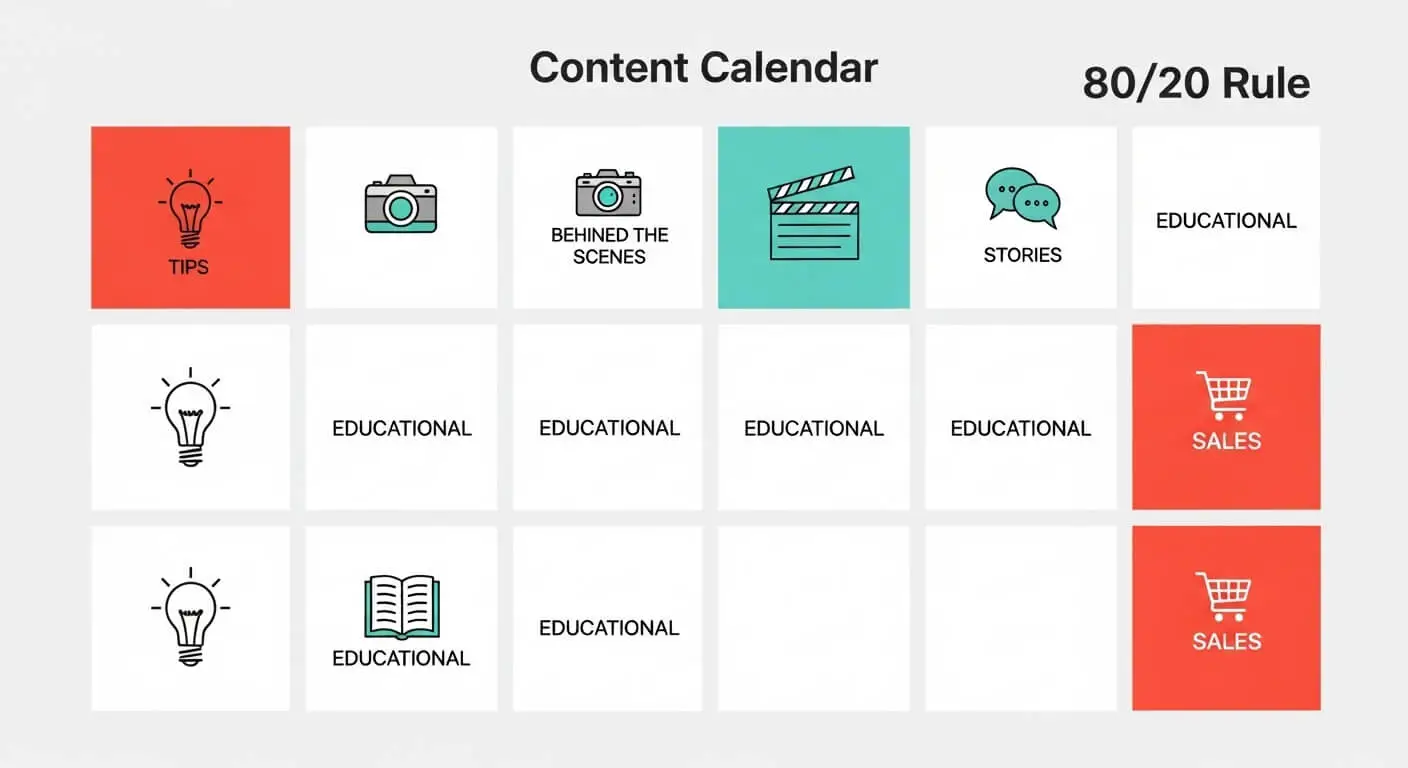
Educational content performs exceptionally well for small businesses. Instead of posting “Buy our accounting services,” create a post explaining “Three tax mistakes small businesses make in their first year.” This positions you as helpful, not salesy, and people are more likely to share useful information with others who need it.
Behind-the-scenes content humanizes your brand. Show your workspace, introduce team members, share the process of creating your product, or document a typical day. These posts consistently outperform polished marketing materials because they feel authentic. We’ve seen simple phone videos of packing orders outperform professionally shot product photos by 3-4x in reach.
User-generated content is powerful social proof. When customers tag your business or share photos using your product, ask permission to repost it to your page. This provides you with authentic content while making the customer feel valued. Always credit the original poster.
Storytelling drives engagement. Instead of announcing a new product, tell the story behind it. What problem were you trying to solve? What challenges did you face developing it? What feedback from customers inspired the change? Stories create emotional connections that product announcements cannot.
Consistency matters more than frequency. Posting one high-quality piece of content three times per week performs better than posting mediocre content daily. The algorithm learns your posting pattern and begins to expect and distribute your content accordingly. Choose a schedule you can maintain long-term.
Avoid posting external links in your primary post text. Facebook wants to keep users on Facebook, so posts with external links typically receive 30-50% less reach. Instead, post your content natively, then add the link in the first comment, or use the “link in bio” approach for important content.
Using Video Effectively
Video is no longer optional for Facebook marketing—it’s essential. The platform prioritizes video content, particularly short-form vertical video, in its distribution algorithm. Pages that don’t use video are at a significant disadvantage.
Facebook Reels are currently the most powerful organic reach tool available. Reels are shown to users who don’t follow you, providing an opportunity to reach new audiences without paying for ads. We’ve managed pages that gained thousands of new followers from a single Reel that performed well.
Effective Reels don’t require professional production. In fact, overly polished videos often underperform because they feel like ads. The best-performing Reels share these characteristics:
- Vertical format (9:16 ratio), 15-60 seconds long
- Hook in the first 3 seconds that makes viewers want to keep watching
- Text overlay for viewers watching without sound (which is most people)
- Clear, valuable information or entertainment
- Native creation (don’t repost TikToks with watermarks)
Content ideas for Reels include quick tips related to your industry, before-and-after transformations, behind-the-scenes processes, customer testimonials, myth-busting, and day-in-the-life content. A restaurant might show a dish being prepared in 30 seconds. A consultant might share one quick tip. A retailer might showcase new arrivals.
Live video builds deeper connections than any other format. Facebook notifies followers when you go live and prioritizes live content in feeds. The key to successful live video is interaction—respond to comments in real-time, ask questions, and make viewers feel part of the experience.
You don’t need elaborate live productions. Weekly Q&A sessions, product demonstrations, tutorials, or simply talking through a common customer question while showing your workspace all work well. The authenticity of live video, including minor mistakes, builds trust in ways polished content cannot.
For longer videos, upload natively to Facebook rather than sharing YouTube links. Native videos autoplay in feeds, capturing attention, and Facebook rewards content that keeps users on the platform. Add captions to all videos—most Facebook video is watched without sound.
Repurpose video content across formats. A 60-second Reel can become a longer Facebook video with additional context. A live session can be edited into short clips. A customer testimonial can be formatted for multiple uses. This maximizes your video production effort.
Building Real Engagement
Engagement is the currency of Facebook marketing. Without it, even great content won’t reach your audience. Building engagement requires a shift from broadcasting to conversation.
The most effective engagement strategy is also the simplest: reply to every comment, and do it quickly. When someone takes time to comment on your post, they’re giving you an opportunity to deepen the relationship. A thoughtful reply within the first hour of posting signals to Facebook that your content is sparking conversation.
Don’t just say “thanks”—ask a follow-up question. If someone comments “Great tips!” reply with “Thanks! Which tip will you try first?” This encourages them to respond again, creating the back-and-forth conversation Facebook rewards. We’ve doubled engagement rates simply by implementing this reply strategy consistently.
Ask questions that invite opinions, not yes/no answers. “Do you like coffee?” gets minimal response. “What’s your go-to coffee order and why?” generates stories and discussion. The best questions relate to your industry but don’t directly sell. A fitness coach might ask about workout motivation. A bookstore might ask about current reads.
Create posts specifically designed to generate comments. “Fill in the blank” posts work well: “The best business advice I ever received was ______.” “Unpopular opinion” posts spark debate: “Unpopular opinion: [industry-related statement]. Agree or disagree?” Polls, while simple, also drive engagement and provide valuable audience insights.
Engage with other pages as your page, not just as yourself. Find complementary businesses or community pages and leave thoughtful comments on their posts. This puts your page name in front of new audiences and builds relationships with potential partners. Just ensure your comments add value, not just self-promotion.
Facebook Groups offer higher engagement opportunities than pages. Create a group related to your industry (not just your business) and nurture it as a community resource. A web design agency might create “Small Business Website Tips.” A bakery might create “Home Bakers of [City].” Participate genuinely, answer questions, and occasionally share relevant page content. Group members become your most engaged page followers.
Tag strategically, not excessively. Tagging other pages or people can expand your reach, but only when relevant. Tag suppliers when showcasing products, tag customers (with permission) when sharing their stories, tag locations when relevant. Avoid tagging dozens of pages in hopes of reach—Facebook penalizes this as spam.
When to Use Paid Ads
Organic reach has limits, and strategic paid promotion can accelerate growth. The key is using paid ads to amplify what’s already working organically, not to compensate for poor organic strategy.
Start with boosting high-performing organic posts. When a post generates strong engagement organically, putting even $5-10 behind it can extend its reach significantly. Facebook’s algorithm has already identified that content resonates, so paid promotion multiplies that success. This approach typically delivers better results than creating ads from scratch.
For small budgets, focus on these ad objectives:
- Page likes: To build your audience initially, target people similar to your existing customers
- Post engagement: To amplify your best content to new audiences
- Website traffic: To drive qualified visitors to specific pages
- Lead generation: To collect emails using Facebook’s native forms
Avoid the “boost post” button for important campaigns. Instead, use Ads Manager for better targeting and control. The learning curve is worth it—you’ll waste less money and get better results.
Targeting is where small businesses often overspend. Start narrow: target your city or region, select interests closely related to your business, and use lookalike audiences based on your best customers if you have enough data. Broad targeting wastes budget on irrelevant clicks.
Retargeting delivers the highest return for small budgets. Install the Facebook Pixel on your website (it’s free), then create ads specifically for people who visited your site but didn’t convert. These warm audiences convert at much higher rates than cold audiences.
Set realistic budgets and expectations. $5 per day won’t generate hundreds of sales, but it can consistently drive 50-100 qualified website visitors or generate 5-10 leads weekly for local businesses. Scale budgets only after proving profitability at small spend levels.
Test one variable at a time. Test different images with the same copy, or different audiences with the same ad. Changing multiple elements simultaneously makes it impossible to know what worked. Keep detailed records of what you test and the results.
Monitor frequency—how many times the same person sees your ad. If frequency exceeds 3-4 in a week, your audience is seeing the ad too often, leading to ad fatigue and wasted spend. Either expand your audience or refresh your creative.
Measuring Success
You can’t improve what you don’t measure, but measuring the wrong metrics leads to poor decisions. Focus on metrics that correlate with business outcomes, not vanity metrics.
Reach tells you how many unique people saw your content. This is your top-of-funnel metric—if reach is declining, fewer people are seeing your content overall. Compare reach month-over-month and look for patterns related to content types or posting times.
Engagement rate is more important than total engagement. Calculate it as (total engagements ÷ total reach) × 100. A page with 1,000 followers and 10% engagement rate outperforms a page with 10,000 followers and 1% engagement rate. Aim for 3-5% engagement rate as a healthy benchmark for small business pages.
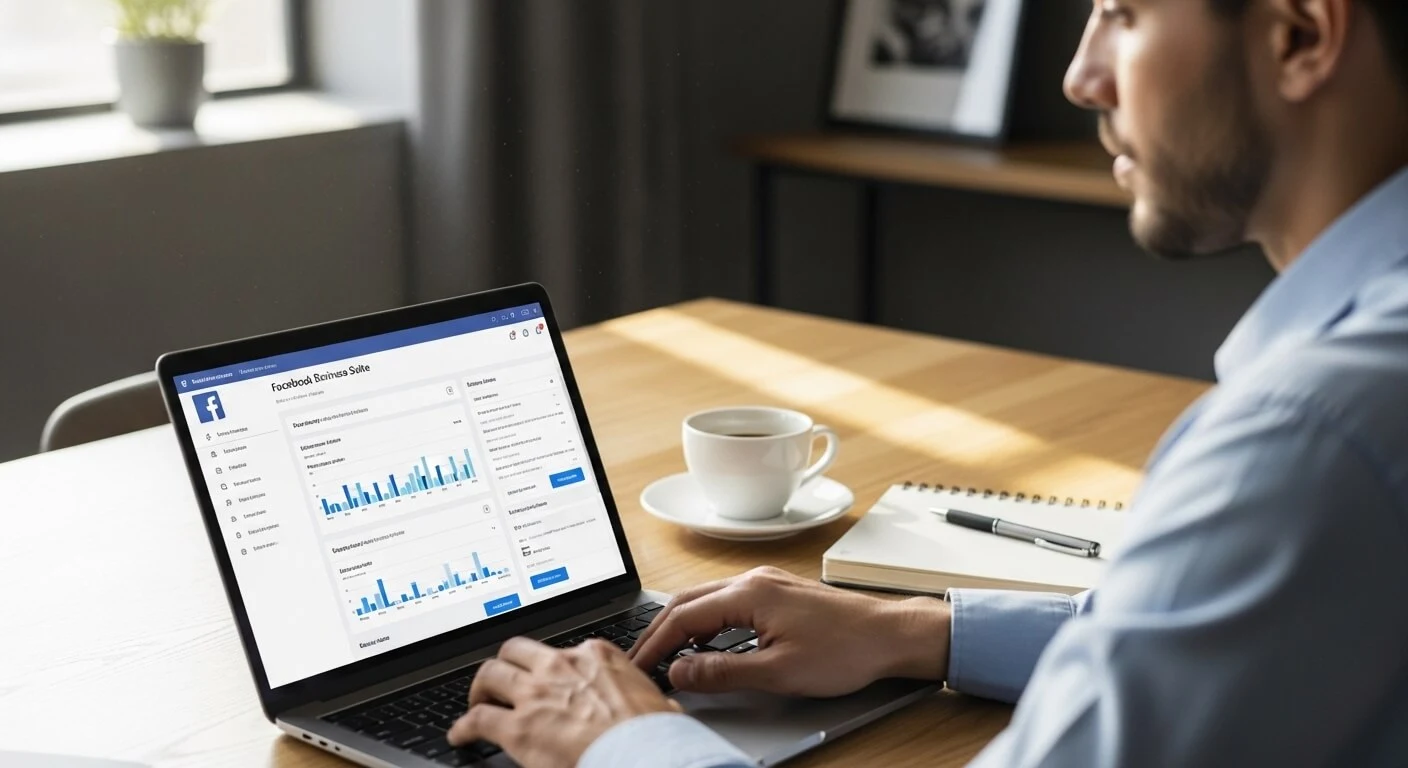
Track which content types perform best for your specific audience. In Meta Business Suite, review your top-performing posts monthly. Do videos consistently outperform images? Do educational posts get more shares than promotional posts? Do posts at certain times perform better? Use these insights to inform your content strategy.
Website clicks from Facebook indicate intent. In Business Suite, track how many people click through to your website from your posts. More importantly, track what those visitors do on your site using Google Analytics. Are Facebook visitors bouncing immediately, or are they viewing multiple pages? Are they converting?
For businesses with physical locations, track actions like “Get Directions” clicks and phone calls from your Facebook page. These metrics directly correlate with foot traffic and sales.
Set up a simple monthly reporting routine. On the first of each month, export these metrics:
– Total page followers (growth)
– Total reach
– Engagement rate
– Website clicks
– Top 3 performing posts (and why they worked)
– Bottom 3 performing posts (and lessons learned)
This 15-minute monthly review prevents you from repeating mistakes and helps you double down on what works. Over time, you’ll develop an intuitive sense of what your specific audience responds to, which is more valuable than any general best practice.
Don’t obsess over daily fluctuations. Facebook’s algorithm naturally varies distribution. Look at weekly and monthly trends instead. A single post that underperforms doesn’t indicate a problem; a month-long decline in reach does.
Frequently Asked Questions
How much does Facebook marketing cost for a small business?
Facebook marketing can cost nothing if you focus solely on organic strategies. Many small businesses grow successfully using only organic content, community engagement, and consistent posting. If you choose to use paid ads, you can start with as little as $5 per day. The key is starting small, measuring results, and scaling only what proves profitable. Most small businesses we work with spend between $150-500 monthly on ads once they’ve validated their approach.
How long does it take to see results from Facebook marketing?
Organic growth typically takes 3-6 months of consistent effort to see significant results. You’ll see small wins earlier—improved engagement on individual posts, gradual follower growth, increased website clicks—but building a thriving community takes time. Paid ads can generate results within days, but optimizing them for profitability usually takes 2-4 weeks of testing. The businesses that succeed view Facebook marketing as a long-term investment, not a quick fix.
Should I focus on Facebook or Instagram for my small business?
This depends entirely on where your audience spends time. For most B2C businesses targeting consumers over 30, Facebook remains essential. For businesses targeting under 30, visual products, or lifestyle brands, Instagram may be more important. The good news is that content can be adapted for both platforms since they’re owned by the same company. We recommend starting with the platform where your ideal customers are most active, mastering it, then expanding. Many of our clients at RaozanIT find success using Facebook for community building and Instagram for visual storytelling.
How often should a small business post on Facebook?
Quality consistently beats quantity. For most small businesses, posting 3-5 times per week with high-quality content performs better than posting daily with mediocre content. The algorithm penalizes pages that post frequently but receive low engagement. Start with 3 posts per week—perhaps Monday, Wednesday, and Friday—and maintain that schedule for at least a month before evaluating. You can always increase frequency once you’ve established a content creation system that maintains quality.
Can I do Facebook marketing myself or should I hire someone?
Many small business owners successfully manage their own Facebook marketing, especially in the early stages. The key requirements are time (3-5 hours weekly), willingness to learn, and consistency. If you enjoy creating content and engaging with customers, DIY can work well and saves money. Consider hiring help when: you’re too busy to post consistently, you’ve plateaued and need fresh strategies, you want to run complex ad campaigns, or you need professional content creation. Our digital marketing services are designed for businesses ready to scale beyond DIY.
What’s the biggest mistake small businesses make on Facebook?
The biggest mistake is treating Facebook like a broadcast channel instead of a community platform. Businesses that only post promotional content, never respond to comments, and don’t engage with other pages struggle to grow. Facebook rewards conversation and penalizes broadcasting. The second biggest mistake is inconsistency—posting daily for two weeks, then disappearing for a month. The algorithm favors predictable, consistent publishers.
Do Facebook ads still work for small businesses?
Yes, Facebook ads remain one of the most cost-effective advertising channels for small businesses, but the approach has changed. Broad targeting and generic ads no longer work well. Success now requires specific targeting, compelling creative, and proper tracking. Start with small budgets ($5-10/day), test thoroughly, and scale what works. Retargeting website visitors and engaging video viewers typically delivers the best return for small budgets.
How do I get more followers on my Facebook business page?
Focus on creating shareable content rather than asking for follows. When you create content that provides genuine value, people naturally share it with others who would benefit, and those people follow you. Invite existing customers and email subscribers to like your page. Participate in relevant Facebook groups as your page (not your personal profile). Run a simple page likes campaign targeting people similar to your best customers. Most importantly, be patient—quality followers who engage are worth far more than large numbers of disengaged followers.
Need help implementing these strategies?
Chat on WhatsApp
or contact us for a free Facebook marketing consultation.